



Tungsten
[W, WK, WTh, WCe, WLa]
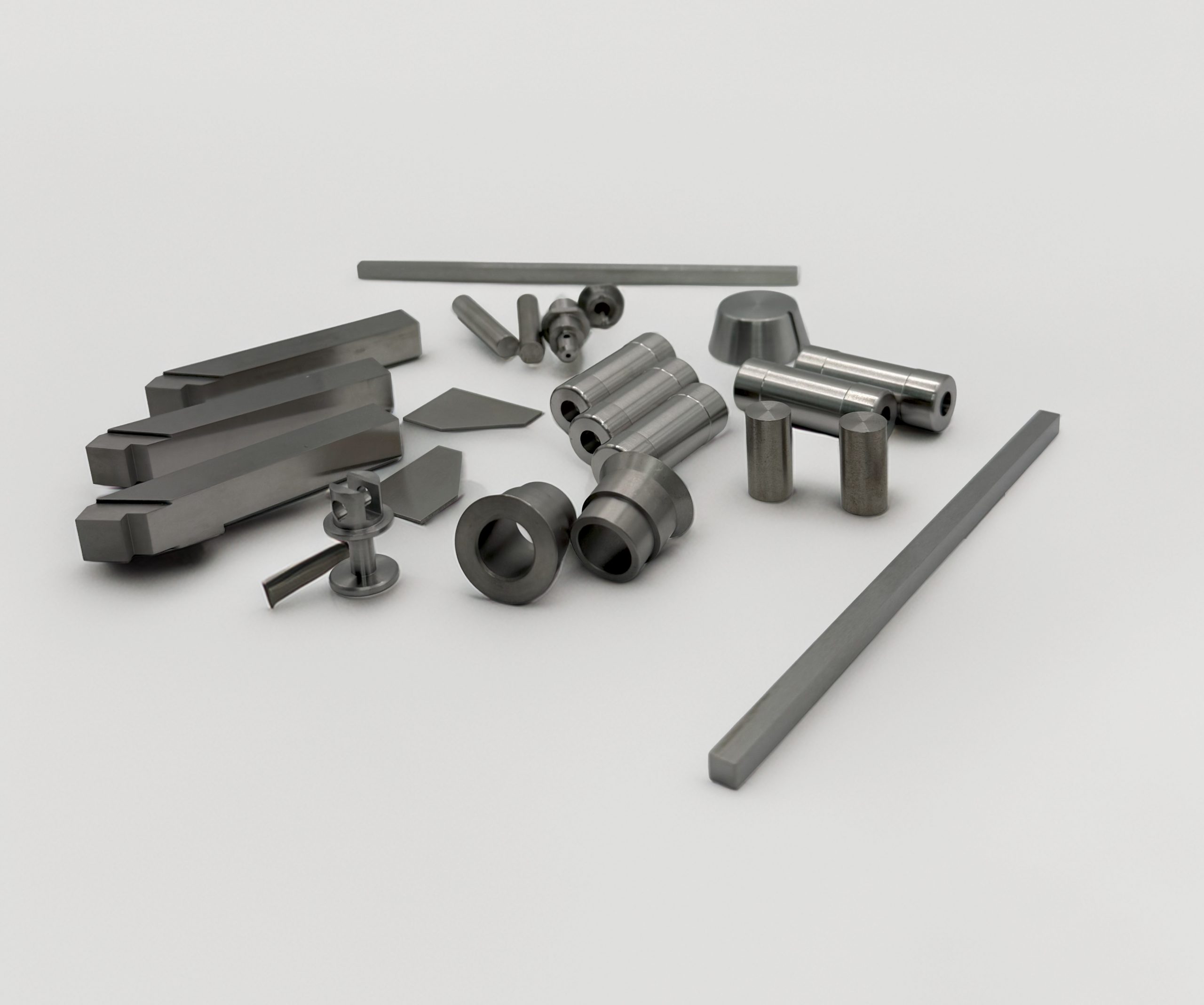
At around 3420 °C, tungsten is one of the high-temperature materials with the highest melting point. Specific doping (e.g. K, ThO₂, CeO₂, La₂O₃) can be used to improve the recrystallization temperature, creep resistance, ignition behaviour and machinability. Pure and alloyed tungsten is used in the lighting and electronics industry, medical technology, thin-film technology and as a non-melting welding electrode and in components of high-temperature furnaces.
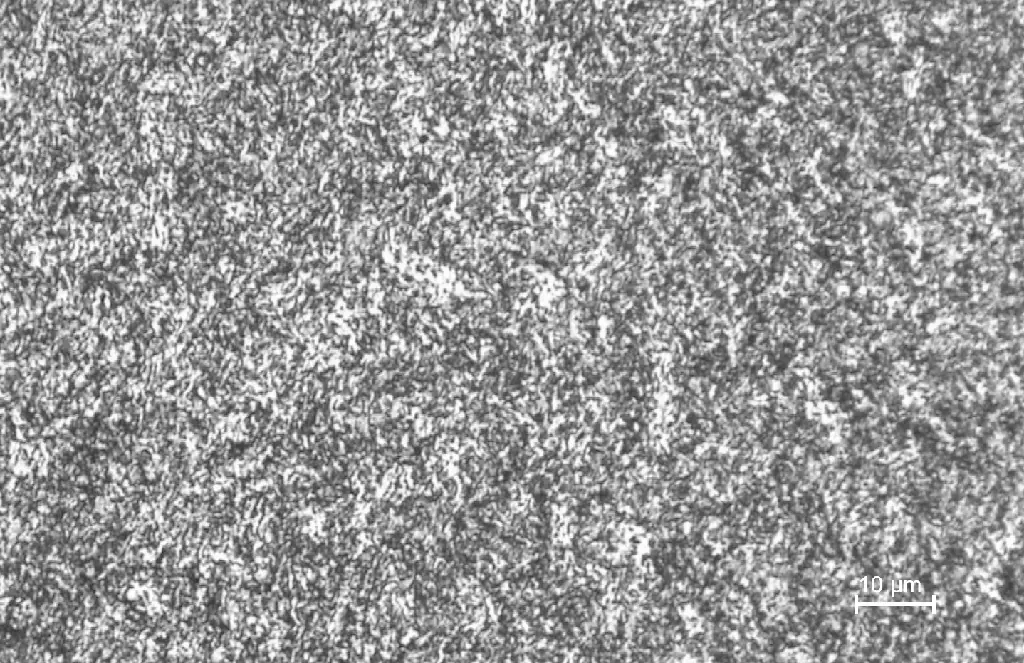
Grades & data sheets
| Variety | Composition | Available as | data sheet |
|---|---|---|---|
| W | W ≥ 99,95% | Rods, pins, wires, sheets, plates, strips or according to drawing | PDF FILE |
| WK1 | W ≥ 99.95% / K 15-40 ppm | Rods, pins, wires, sheets, plates, strips or according to drawing | PDF FILE |
| WK2 | W ≥ 99.95% / K 40-70 ppm | Rods, pins, wires, sheets, plates, strips or according to drawing | PDF FILE |
| WK3 | W ≥ 99.95% / K 70-100 ppm | Rods, pins, wires, sheets, plates, strips or according to drawing | PDF FILE |
| WTh10 | W ~99% / ThO₂ 1% | Rods, pins, wires, plates or according to drawing | PDF FILE |
| WTh20 | W ~98% / ThO₂ 2% | Rods, pins, wires, plates or according to drawing | PDF FILE |
| WLa10 | W ~99% / La₂O₃ 1% | Rods, pins, wires, plates or according to drawing | PDF FILE |
| WLa15 | W ~98.5% / La₂O₃ 1.5% | Rods, pins, wires, plates or according to drawing | PDF FILE |
| WLa20 | W ~98% / La₂O₃ 2% | Rods, pins, wires, plates or according to drawing | PDF FILE |
| WCe20 | W ~98% / CeO₂ 2% | Rods, pins, wires, plates or according to drawing | PDF FILE |
| WZr3 | W ~99.7% / ZrO₂ 0.3% | Rods, pins, wires, plates or according to drawing | PDF FILE |
| WZr8 | W ~99.2% / ZrO₂ 0.8% | Rods, pins, wires, plates or according to drawing | PDF FILE |
W / WK1 / WK2 / WK3
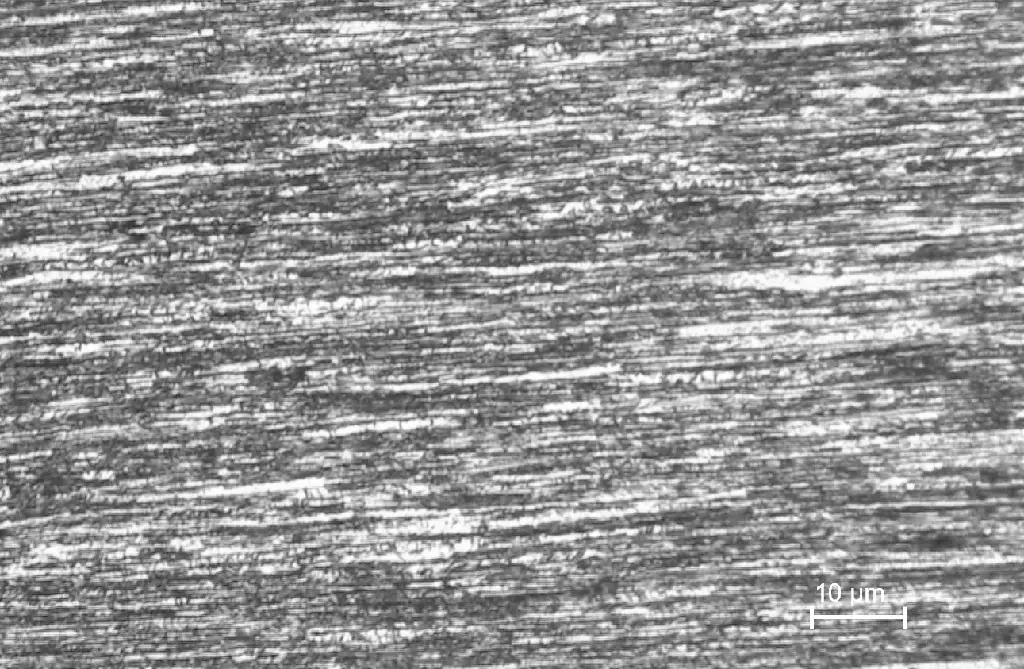
Tungsten doped with traces of Al, K and Si (in ppm ranges) is mainly produced in the form of rods and wires. This targeted doping in combination with a strongly directed deformation leads to a longitudinally oriented grain structure that significantly improves the material properties. This results in a higher recrystallization temperature, improved deflection strength at high temperatures and increased corrosion resistance to molten metals. Pure tungsten (W) and doped tungsten (WK) are widely used as single or multiple wires in evaporation coils and heating elements. In addition, W/WK rods and pins are used in lamp electrodes and stationary anodes for X-ray diagnostics.WTh10 / WTh20
The addition of thorium oxide (ThO2) improves creep resistance and reduces electron work function, making these materials ideal for highly stressed cathodes. WTh10, which is doped with 1% by weight ThO2, can be drawn into wires with a diameter of ≤ 0.3 mm. The more heavily doped WTh20, on the other hand, is used for larger diameter rods.WCe20
WC20 is an alternative to the WT20 lamp and welding electrode. The addition of 2% by weight of cerium(IV) oxide reduces the electron work function and improves both the ignition behavior and the service life by reducing the erosion rate due to spark erosion.WLa10 / WLa15 / WLa20
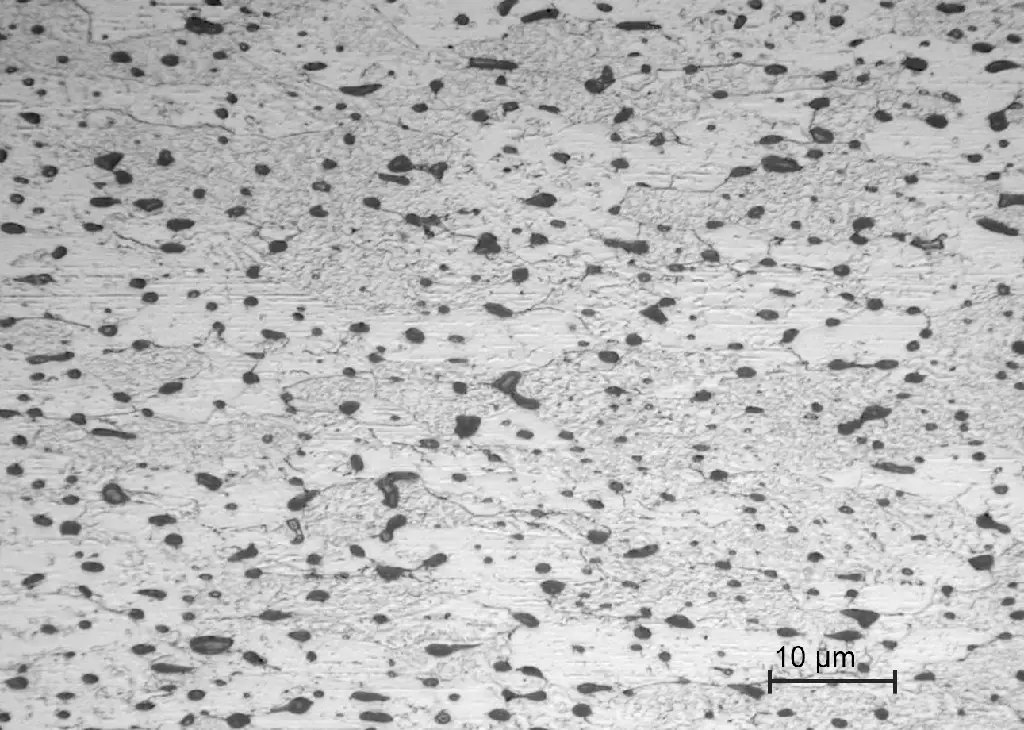
The addition of 1 - 2.5 percent by weight of lanthanum oxide increases the creep strength and recrystallization temperature compared to pure tungsten. In addition, the oxide particles in the structure help to eliminate the poor machinability of pure tungsten. The addition of lanthanum oxide also significantly reduces electron work function. WLa10 is preferred for machined components in a variety of applications, such as ion source components and lamp electrodes, while WLa15 and WLa20 are mainly used for welding electrodes.The key features are as follows: Very high melting point; alloyable/dopable (K/La/Ce/Th) for longer service life
Melting point: 3420 °C
Density: 19.25 g/cm³
Thermal conductivity: 173 W/m·K
Electrical conductivity: 1.79e7 S/m
Supply programme
Rods, bars, wires, sheets, electrodes, plates, strips and finished parts according to customer drawings
Do you need further information?
Questions? We’re happy to help.
Contact us — we provide tailored solutions.